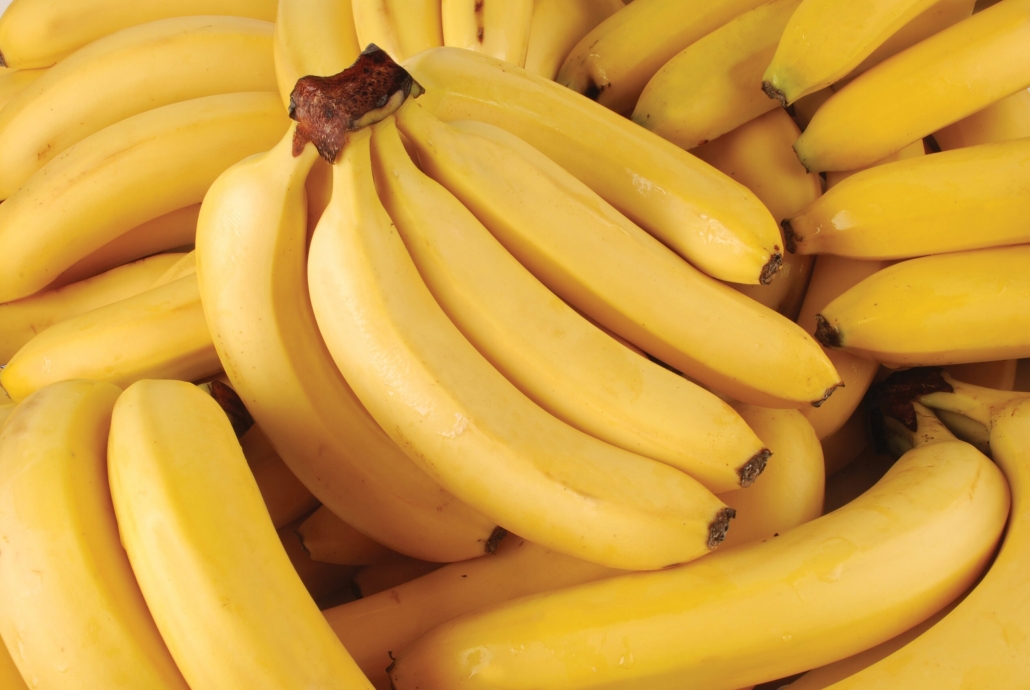
BANANA
Edible bananas originated in the Indo-Malaysian region reaching to northern Australia. They were known only by hearsay in the Mediterranean region in the 3rd Century B.C., and are believed to have been first carried to Europe in the 10th Century A.D. Early in the 16th Century, Portuguese mariners transported the plant from the West African coast to South America. The types found in cultivation in the Pacific have been traced to eastern Indonesia from where they spread to the Marquesas and by stages to Hawaii.
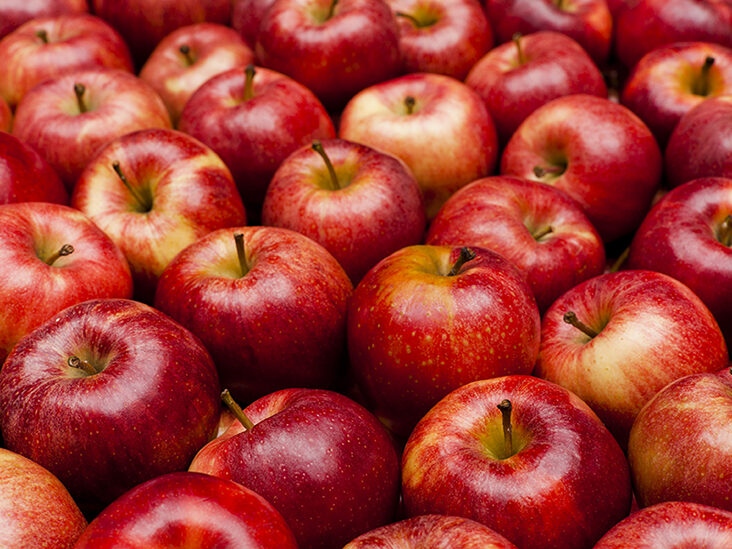
APPLE
The apple tree (Malus domestica) is a deciduous tree in the rose family best known for its sweet, pomaceous fruit, the apple. It is cultivated worldwide as a fruit tree, and is the most widely grown species in the genus Malus. The tree originated in Central Asia, where its wild ancestor, Malus sieversii, is still found today. Apples have been grown for thousands of years in Asia and Europe, and were brought to North America by European colonists. Apples have religious and mythological significance in many cultures, including Norse, Greek and European Christian traditions.
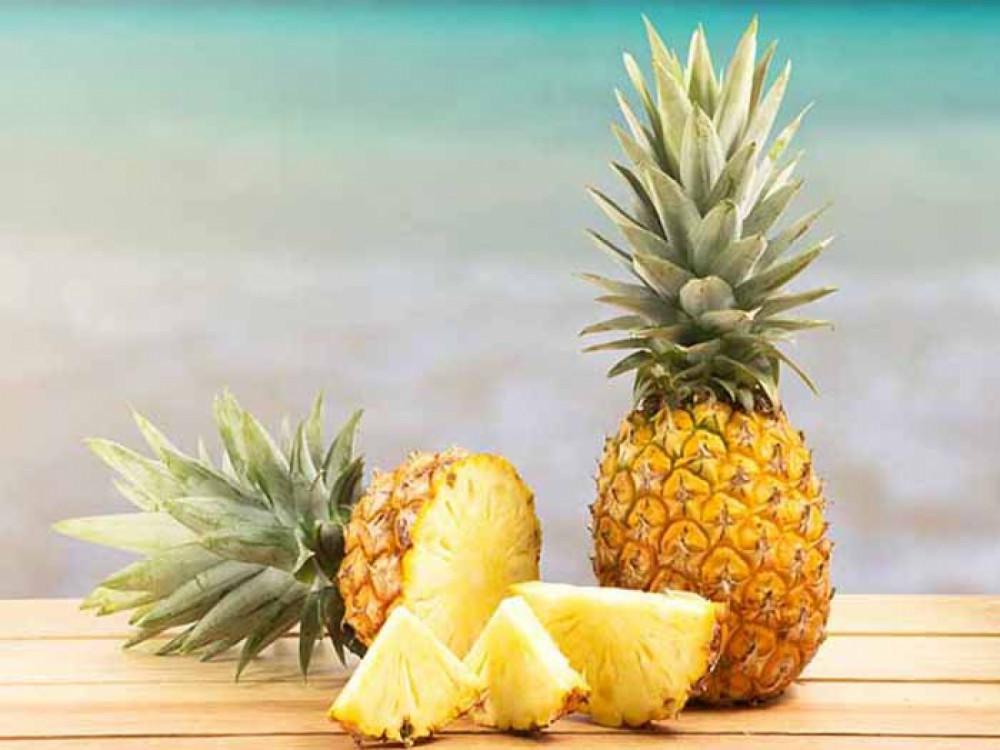
PINEAPPLE
Native to southern Brazil and Paraguay (perhaps especially the Parana-Paraguay River) area where wild relatives occur, the pineapple was apparently domesticated by the Indians and carried by them up through South and Central America to Mexico and the West Indies long before the arrival of Europeans. Christopher Columbus and his shipmates saw the pineapple for the first time on the island of Guadeloupe in 1493 and then again in Panama in 1502. Caribbean Indians placed pineapples or pineapple crowns outside the entrances to their dwellings as symbols of friendship and hospitality. Europeans adopted the motif and the fruit was represented in carvings over doorways in Spain, England, and later in New England for many years. The plant has become naturalized in Costa Rica, Guatemala, Honduras and Trinidad but the fruits of wild plants are hardly edible.
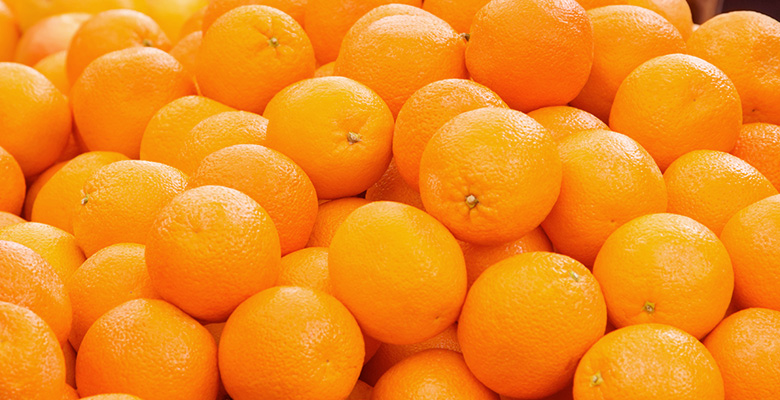
ORANGE
The orange is unknown in the wild state; is assumed to have originated in southern China, northeastern India, and perhaps southeastern Asia, and that they were first cultivated in China around 2500 BC.
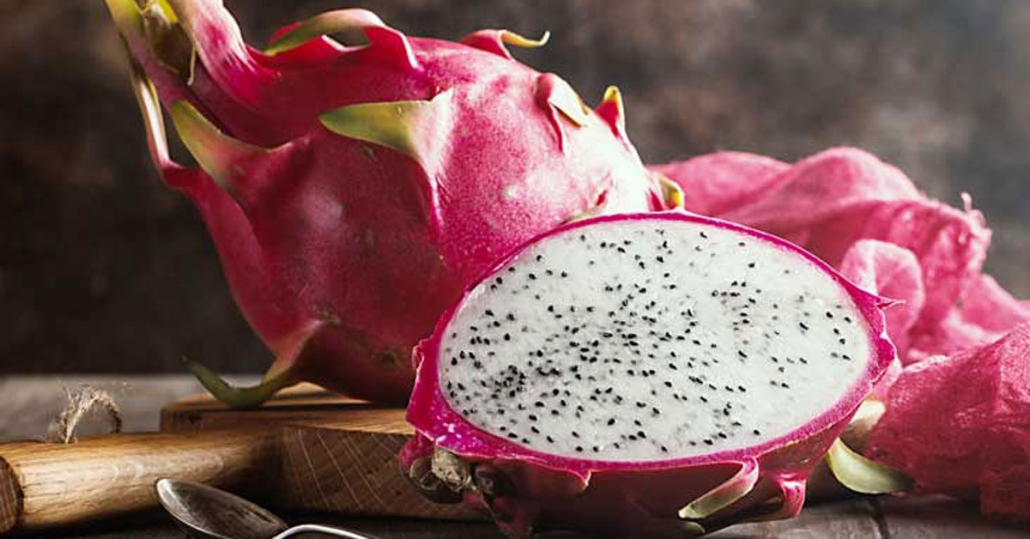
DRAGON FRUIT
These fruits are commonly known in English as “dragon fruit”, reflecting its vernacular Asian names. Hylocereus has adapted to live in dry tropical climates with a moderate amount of rain.
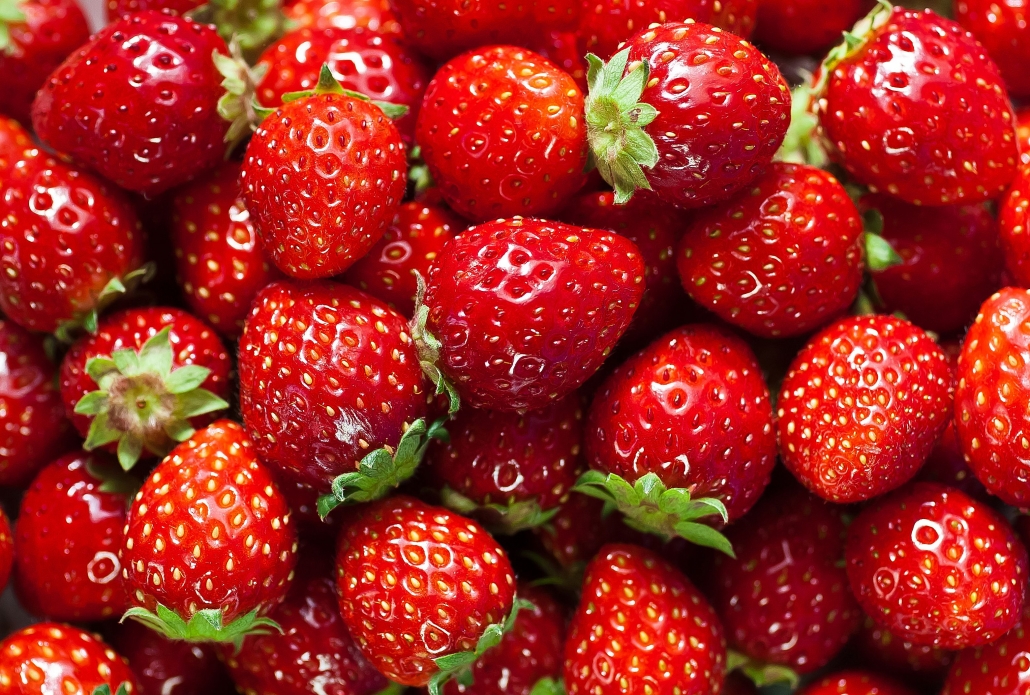
STRAWBERRY
The garden strawberry was first bred in Brittany, France, in the 1750s via a cross of Fragaria virginiana from eastern North America and Fragaria chiloensis, which was brought from Chile by Amédée-François Frézier in 1714. Cultivars of Fragaria × ananassa have replaced, in commercial production, the woodland strawberry (Fragaria vesca), which was the first strawberry species cultivated in the early 17th century.
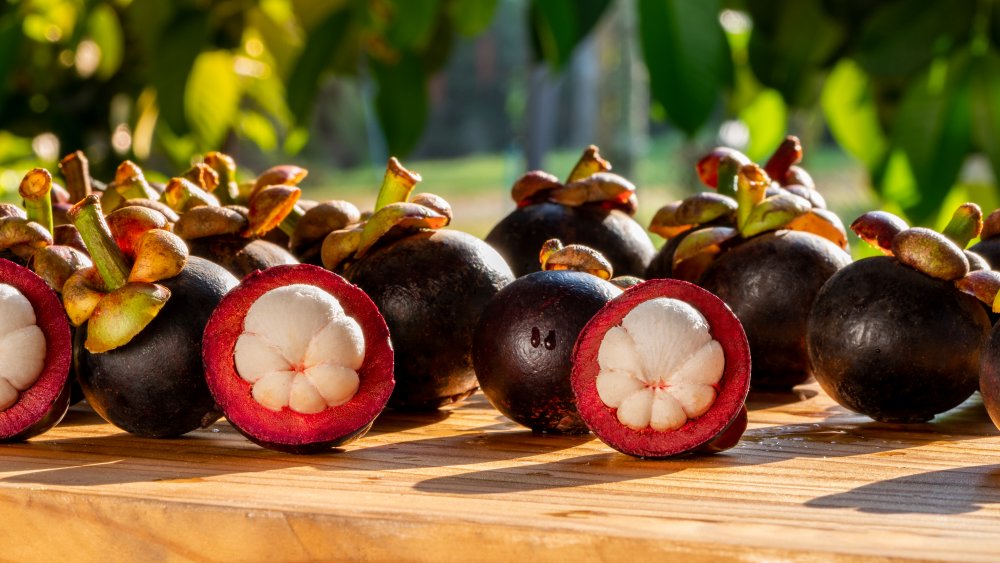
MANGOSTEEN
The purple mangosteen (Garcinia mangostana), colloquially known simply as mangosteen, is a tropical evergreen tree believed to have originated in the Sunda Islands and the Moluccas of Indonesia. It grows mainly in Southeast Asia, southwest India and other tropical areas such as Puerto Rico and Florida, where the tree has been introduced.